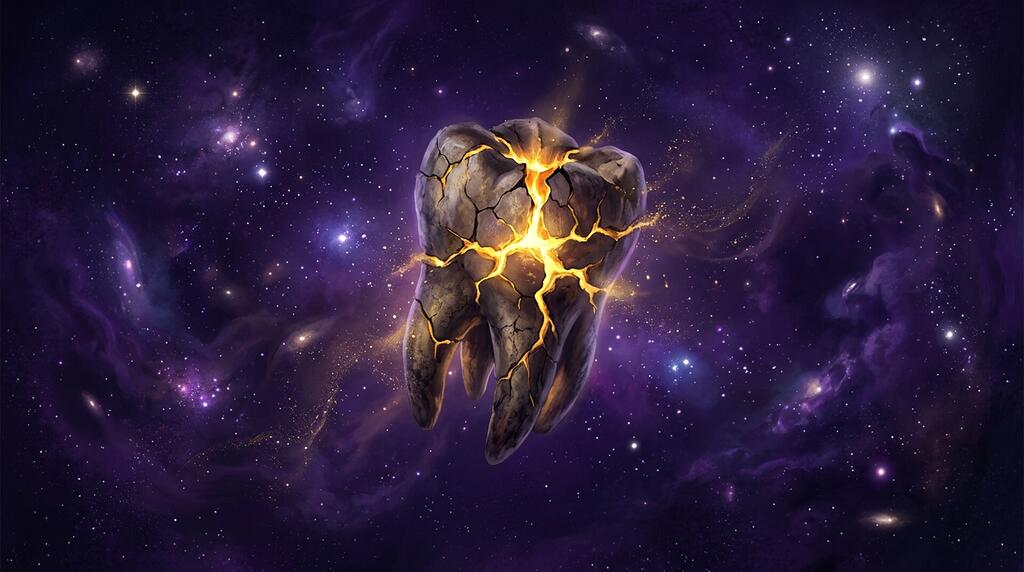
Dreams about teeth falling out are among the most universally reported dream themes, occurring across all cultures and age groups. Nearly every person will have at least one tooth dream in their lifetime, making it a truly shared human experience.
The most common interpretation relates to anxiety about appearance and how others perceive you. Teeth are central to our social presentation — they're visible when we speak, smile, and eat. Losing them in a dream can reflect insecurity about your appearance, aging, or how you're being judged.
Communication anxiety is another major interpretation. Teeth are essential for speech, and tooth loss dreams often correlate with situations where you feel unable to express yourself effectively. If you're dreading a presentation, struggling to voice your opinion in a relationship, or feeling unheard at work, tooth dreams may appear.
Loss of control is a powerful theme in tooth dreams. The sensation of teeth crumbling, loosening, or falling out is fundamentally about losing something you can't prevent or reverse. This connects to any life situation where you feel powerless — job insecurity, financial stress, health concerns, or a relationship that's deteriorating despite your efforts.
The specific details matter. Teeth crumbling slowly may represent gradual deterioration of confidence or a situation. Teeth being pulled out by someone else could indicate feeling controlled or harmed by another person. Spitting out teeth in handfuls often reflects a buildup of repressed words — things you need to say but haven't.
Cultural interpretations vary dramatically. In Chinese traditional dream interpretation, losing teeth can symbolize dishonesty — "speaking with no teeth" means speaking without truth. In some Greek traditions, tooth loss dreams warn of illness or death in the family. In Islamic dream interpretation, upper teeth represent male relatives and lower teeth represent female relatives.
Freudian analysis, predictably, connects tooth dreams to sexual anxiety and fear of castration. While this interpretation has fallen out of mainstream favor, the broader Freudian insight — that tooth dreams relate to deep-seated vulnerability — remains relevant.
Modern research offers a physiological angle: people who grind their teeth at night (bruxism) are more likely to dream about tooth loss. The physical sensation of jaw tension and tooth pressure incorporates into dream content. If you have frequent tooth dreams, it may be worth checking whether you grind your teeth during sleep.
Stress is the most reliable predictor of tooth dreams. Studies show a clear correlation between periods of high stress and increased frequency of tooth loss dreams. They often appear during major life transitions: starting a new job, moving, divorce, pregnancy, or any situation involving significant uncertainty.
If tooth dreams bother you, try addressing the underlying anxiety. Identify where in your life you feel most vulnerable, out of control, or unable to communicate. Working on these areas in waking life typically reduces the frequency and intensity of tooth dreams. Some therapists use tooth dreams as a diagnostic tool, recognizing that their appearance signals the dreamer is experiencing significant stress or transition.